
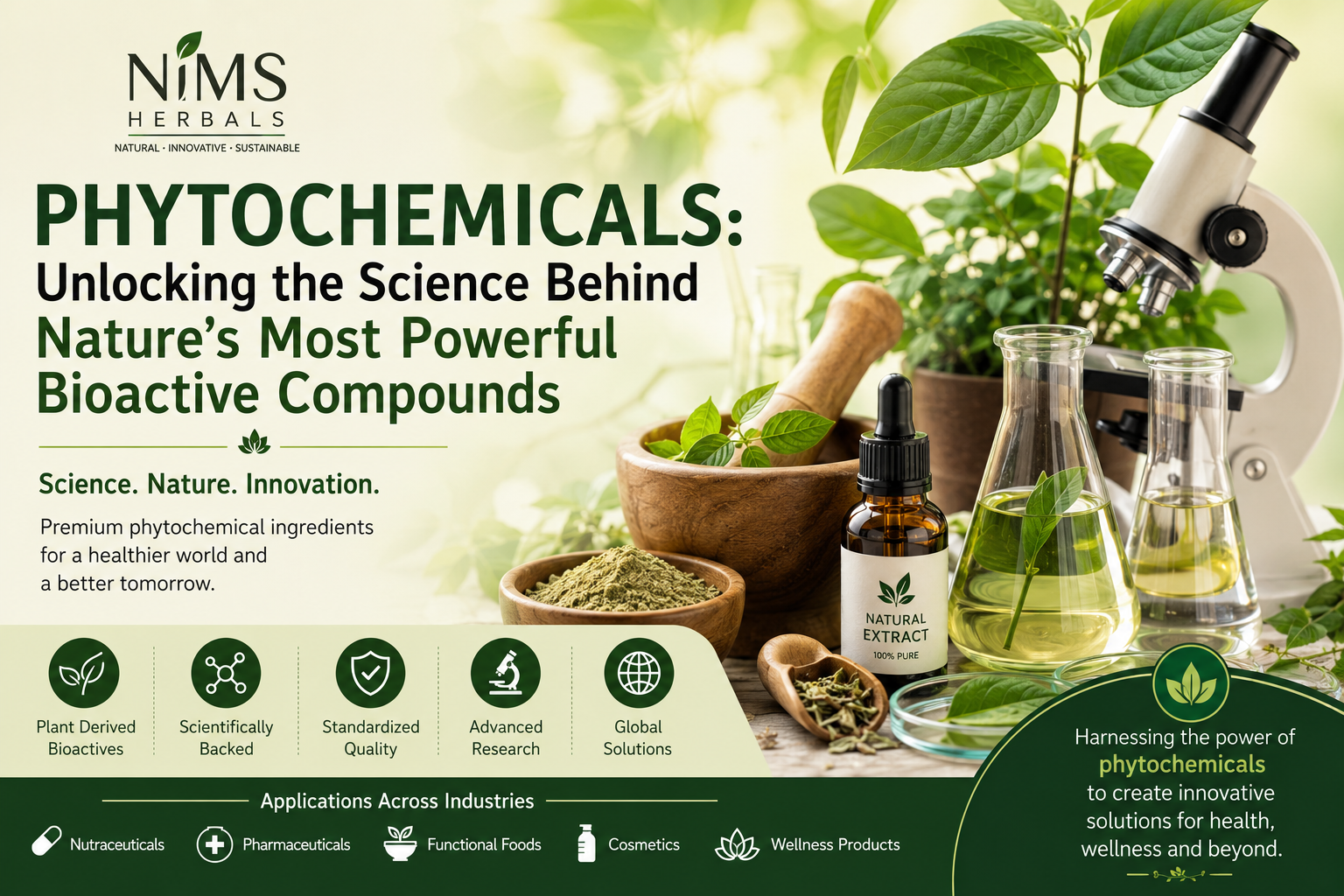
Plants naturally produce thousands of bioactive compounds that contribute to their growth, protection, and survival. These naturally occurring substances, known as phytochemicals, have gained worldwide attention for their potential role in nutrition, wellness, and product innovation.
Today, phytochemicals are widely incorporated into dietary supplements, pharmaceuticals, cosmetics, food products, beverages, and personal care formulations. Their unique biological properties make them valuable ingredients across multiple industries.
As scientific research advances, manufacturers are developing standardized phytochemical ingredients that deliver consistent quality and performance. This growing interest has created new opportunities for companies seeking innovative botanical solutions.
Understanding Phytochemicals
Phytochemicals are naturally occurring compounds produced by plants that contribute to their color, flavor, aroma, and defense mechanisms.
Common categories include:
Polyphenols
Flavonoids
Alkaloids
Carotenoids
Terpenoids
Tannins
Saponins
Glycosides
Each category possesses distinct chemical characteristics and industrial applications.
Why Industries Value Phytochemicals
Businesses choose phytochemicals because they offer:
Naturally derived ingredients
High consumer acceptance
Scientific research support
Versatile formulation options
Wide application across industries
Applications of Phytochemicals
Dietary Supplements
Used in capsules, powders, tablets, gummies, and liquid formulations.
Functional Beverages
Added to juices, teas, nutritional drinks, and wellness beverages.
Pharmaceuticals
Used as active botanical ingredients and research compounds.
Cosmetics
Integrated into skincare and haircare products due to their plant-derived properties.
Manufacturing High-Quality Phytochemicals
Quality begins with:
Botanical identification
Controlled sourcing
Modern extraction technology
Standardization
Laboratory validation
Secure packaging
Importance of Research and Development
R&D helps improve:
Extraction efficiency
Compound stability
Product innovation
Ingredient consistency
Regulatory compliance
Regulatory Considerations
Manufacturers supplying global markets should align with applicable quality systems and customer requirements.
Typical focus areas include:
Good Manufacturing Practices (GMP)
Product traceability
Laboratory testing
Quality documentation
International customer specifications
Sustainability in Botanical Manufacturing
Sustainable manufacturing practices include:
Responsible sourcing
Water conservation
Energy-efficient processing
Waste reduction
Eco-friendly packaging
These initiatives support long-term environmental and business sustainability.
Future Opportunities
Emerging opportunities include:
Personalized nutrition
Functional ingredients
Clean-label products
Botanical innovation
Evidence-based herbal formulations
Global wellness markets
Benefits of Partnering with an Experienced Manufacturer
Reliable manufacturing partners offer:
Consistent product quality
Technical expertise
Documentation support
Supply chain reliability
Product customization
Regulatory assistance
Conclusion
Phytochemicals represent one of the fastest-growing segments within the botanical ingredient industry. As demand for natural, science-backed solutions continues to rise, organizations that prioritize quality, research, sustainability, and innovation will be well-positioned to serve evolving global markets.
Businesses seeking premium botanical ingredients benefit from working with manufacturers committed to excellence throughout sourcing, production, testing, and customer support.