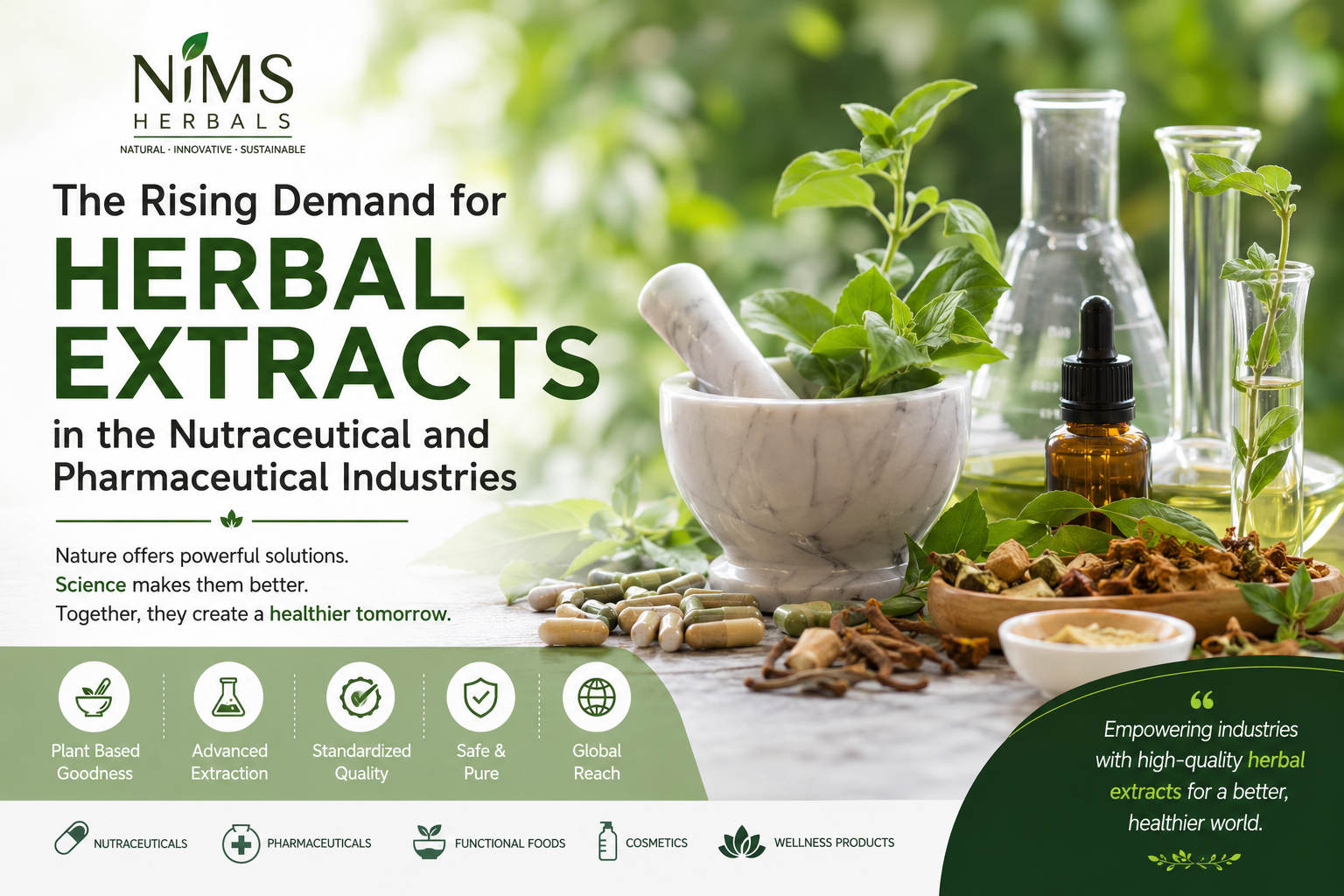
The global healthcare industry is experiencing a significant transformation as consumers increasingly seek natural, plant-based solutions to support their health and well-being. This shift has driven unprecedented demand for herbal extracts, phytochemicals, and botanical ingredients across nutraceutical, pharmaceutical, food, cosmetic, and wellness industries.
Manufacturers worldwide are investing in high-quality botanical ingredients that offer scientifically supported health benefits while meeting stringent international quality standards. Herbal extracts have become essential components in dietary supplements, functional foods, herbal medicines, beverages, cosmetics, and personal care products.
As consumers become more conscious about ingredient transparency and sustainable sourcing, businesses are actively searching for trusted suppliers capable of delivering standardized herbal extracts with consistent potency and purity. Companies that focus on advanced extraction technologies, rigorous quality control, and scientific validation are helping shape the future of the botanical ingredient industry.
This article explores the importance of herbal extracts, their applications, manufacturing processes, quality considerations, and future market opportunities.
What Are Herbal Extracts?
Herbal extracts are concentrated preparations obtained from various plant parts such as:
Roots
Leaves
Bark
Flowers
Fruits
Seeds
Rhizomes
The extraction process isolates beneficial bioactive compounds while removing unwanted plant materials. These concentrated ingredients retain the therapeutic properties of the original herb and can be standardized for consistent efficacy.
Why Herbal Extracts Are Growing in Popularity
Several factors contribute to the increasing global demand for herbal extracts.
Consumer Preference for Natural Products
Modern consumers prefer products derived from natural plant sources over synthetic alternatives whenever possible.
Growing Nutraceutical Industry
The dietary supplement market continues to expand due to increasing awareness of preventive healthcare and wellness.
Scientific Validation
Research continues to demonstrate the health-supporting properties of numerous plant-derived compounds.
Functional Foods
Manufacturers are incorporating herbal ingredients into foods and beverages to provide additional nutritional value.
Common Types of Herbal Extracts
The botanical industry produces extracts from hundreds of medicinal plants, including:
Turmeric Extract
Ashwagandha Extract
Green Tea Extract
Boswellia Extract
Ginger Extract
Ginseng Extract
Garlic Extract
Neem Extract
Amla Extract
Holy Basil Extract
Each botanical offers unique phytochemicals that support various health applications.
Applications Across Industries
Nutraceuticals
Herbal extracts are widely used in:
Capsules
Tablets
Gummies
Powders
Liquid supplements
These products are designed to support immunity, digestion, heart health, brain function, and overall wellness.
Pharmaceuticals
Many pharmaceutical formulations incorporate plant-derived active ingredients that have been scientifically evaluated for therapeutic applications.
Functional Foods
Manufacturers enrich food products using botanical ingredients such as:
Herbal teas
Protein blends
Health drinks
Nutrition bars
Functional beverages
Cosmetics
Plant extracts contribute to:
Anti-aging creams
Skin serums
Hair care products
Face masks
Herbal soaps
Importance of Standardization
Standardization ensures every batch contains consistent levels of active compounds.
Benefits include:
Reliable performance
Batch consistency
Regulatory compliance
Improved customer confidence
Better product quality
Quality Control in Herbal Manufacturing
Leading manufacturers implement comprehensive quality management systems involving:
Raw Material Inspection
Each botanical undergoes identification and quality verification.
Laboratory Testing
Products are tested for:
Purity
Identity
Moisture
Heavy metals
Microbial contamination
Pesticide residues
Active compound concentration
Manufacturing Controls
Production follows Good Manufacturing Practices (GMP) to ensure product consistency.
Sustainable Sourcing
Responsible sourcing includes:
Ethical farming practices
Sustainable harvesting
Traceability
Environmental conservation
Long-term supplier partnerships
These practices ensure consistent availability while protecting natural ecosystems.
Emerging Trends
The future of herbal extracts includes:
Personalized nutrition
AI-assisted botanical research
Organic ingredients
Clean-label formulations
Sustainable manufacturing
Green extraction technologies
Choosing the Right Herbal Ingredient Partner
Businesses should evaluate suppliers based on:
Manufacturing capabilities
Certifications
Product consistency
Documentation
Technical support
Regulatory compliance
Research expertise
Global export capability
Conclusion
Herbal extracts continue to transform healthcare, nutrition, and wellness industries. Their versatility, scientific relevance, and consumer acceptance make them indispensable ingredients for modern formulations.
Organizations investing in high-quality botanical ingredients supported by robust quality systems and innovation will remain well-positioned to meet growing global demand.